Hear, Help, or Handle?
Imagine you're a manager and it's 7:45 pm and one of your very stressed-out employees walks into your office (or calls you on Teams, or contacts you however they do) and gives you the following:
I just need to say this before I forget—this reporting change that went live on Monday is completely throwing me off because the instructions keep shifting, and I’m getting Slack messages saying one thing while the spreadsheet says another, and then I’m being told it’s urgent and that I should have already known how to do it, which I didn’t, because no one actually walked us through it, and now I’m staying late fixing things that were fine last week while still being expected to hit the same deadlines, and I’m not trying to be difficult, I just genuinely don’t know what the “right” version is anymore or why this landed all at once.
How would you respond?
Empathy would be good. It would diffuse the emotion in the situation and allow you to get to problem-solving more quickly. But how do you know that's what they want?
Problem-solving would help. It could give your employee some ideas about which problem is the biggest and how to resolve it. But if what they wanted was a friendly ear, that's going to be off-putting.
Taking on the issue as your own is an option. The employee's stress would be gone, the proverbial monkey would be yours, and they could go home now, knowing that you've got it covered and care about them. But what if they want to solve it themselves? Won't they feel like you stole it from them?
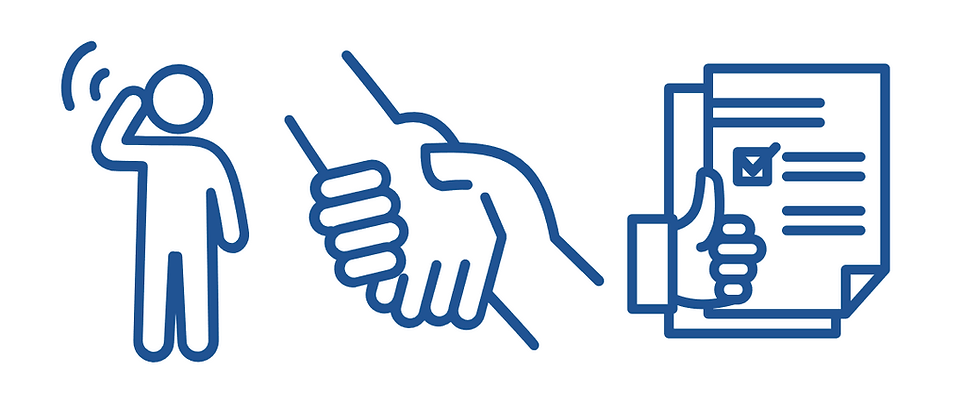
That's where the quick response I learned from a friend of mine comes in. Before you make assumptions about what they need, just ask, "Do you want me to hear, help, or handle?"
This encourages the speaker to identify what they want from you. Is it empathy and listening? Is it instructions or directions? Or are they asking you to take on some of the problem and make it your own? When you can help them clarify what they're asking for, it will make it much easier for you to respond.
And when you know how you're listening, you'll tune in differently. For example, if you're hearing, you might focus on their tone of voice, pinpointing the emotions that you're hearing, and offering empathy for that. ("It sounds like this is all really overwhelming for you." or "I'm getting the sense that you're really frustrated by these changes.")
If you're helping, you'll need to better understand what the problem is, so you can listen for issues, roadblocks, challenges, and obstacles. Then you can play back what you're hearing and offer some coaching. ("It sounds like you're unclear on whether the spreadsheet or the Slack instructions are right. Should we clarify that?" or "Is the urgency of the requests adding to your stress? Because we could verify how urgent the requests really are by calling Tom.")
If you're handling, you'll want to ask permission to handle first, or ask how much of the problem they want handled. You won't say, "I've got this. You can go home now." Rather, you want to sort out what, exactly, they want your specific help with. So it might sound something like, "Ok, that's a lot. What would you like me to do here?" or "How can I help you here - do you want me to call Tom and get some answers for you?"
It's best if you can get clarity on what they want you to do before they've given you the whole spiel. That's why, when someone comes my way with pressured speech and lots of emotion, I like to interrupt them early and say, "Before you get too far down this road, I just want to know how to listen - do you want me to hear, help, or handle what you're about to tell me?" It shows them I'm ready to do what they need and that I need them to know what they want from me so we can be both efficient and effective.


Comments